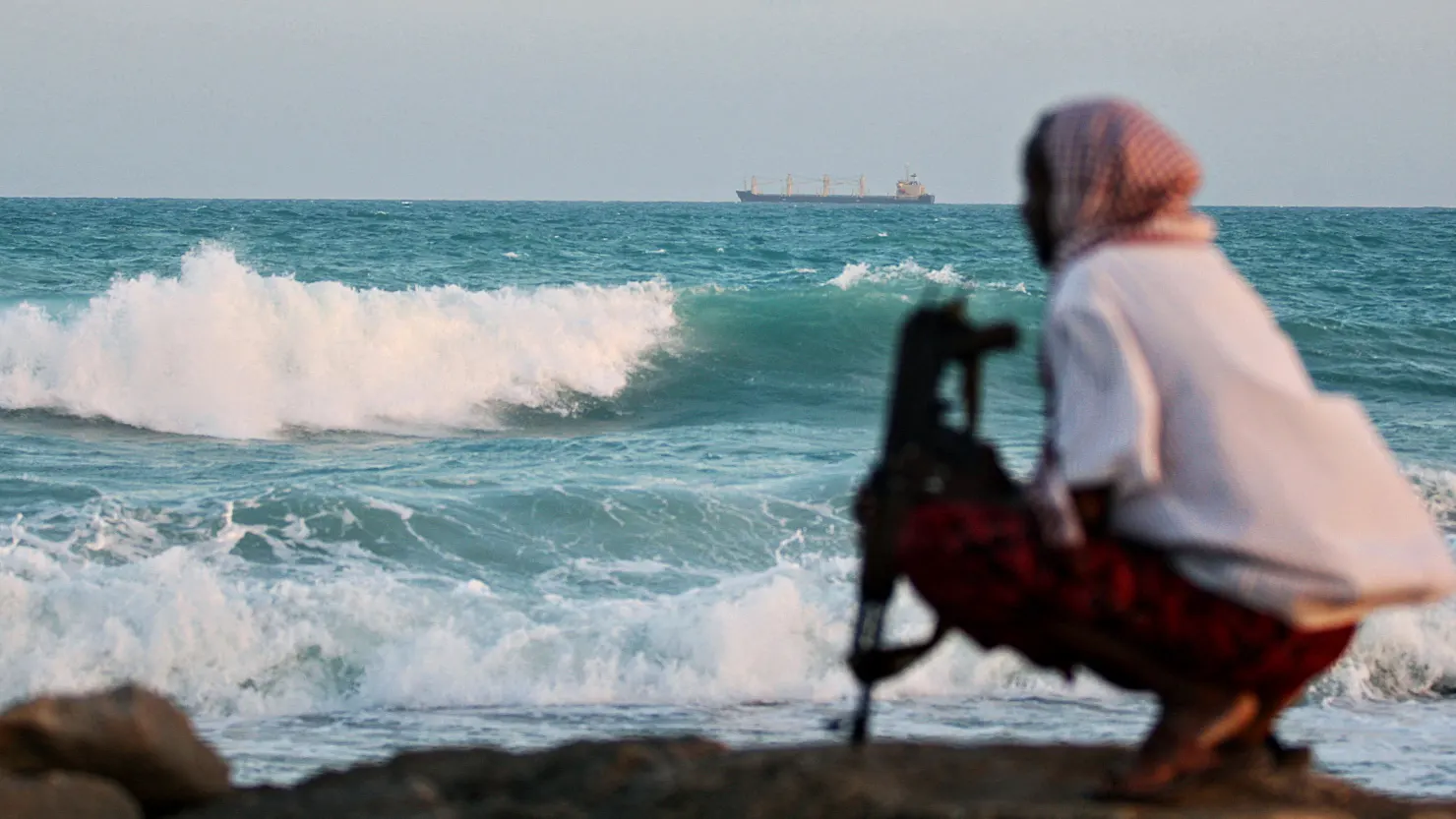
A renewed increase in piracy activity around the waters off Somalia and Yemen is drawing attention to an increasingly complex maritime security environment in the northwest Indian Ocean.
The development comes at a time when international shipping is already facing significant security and operational challenges across several strategically important waterways. The resurgence of piracy therefore adds another layer of risk to an already pressured global maritime trading system.
A Changing Piracy Environment
Recent incidents reported in the region represent a notable development in the evolution of Somali piracy. Earlier waves of piracy frequently involved attacks increasingly far from the Somali coastline, as criminal groups sought to reach commercially valuable vessels operating along major international shipping routes.
The reported return of piracy activity closer to shore in both Somalia and Yemen presents a different operational challenge. Near-shore activity can create additional difficulties for maritime authorities, commercial operators and naval forces responsible for monitoring extensive coastal and offshore areas.
Maritime Security Under Increasing Pressure
The emerging piracy concerns are developing alongside security disruptions affecting several important maritime corridors. The Strait of Hormuz and the Red Sea remain particularly significant because of their importance to international energy and commercial shipping.
At the same time, maritime security concerns have extended beyond the northwest Indian Ocean. The Black Sea, Sea of Azov, Caspian Sea and parts of the Mediterranean are also subject to different forms of security, geopolitical or operational risk.
The combination of these pressures illustrates the increasingly complex environment in which commercial vessels, maritime authorities and naval forces operate.
Implications for Maritime Commerce
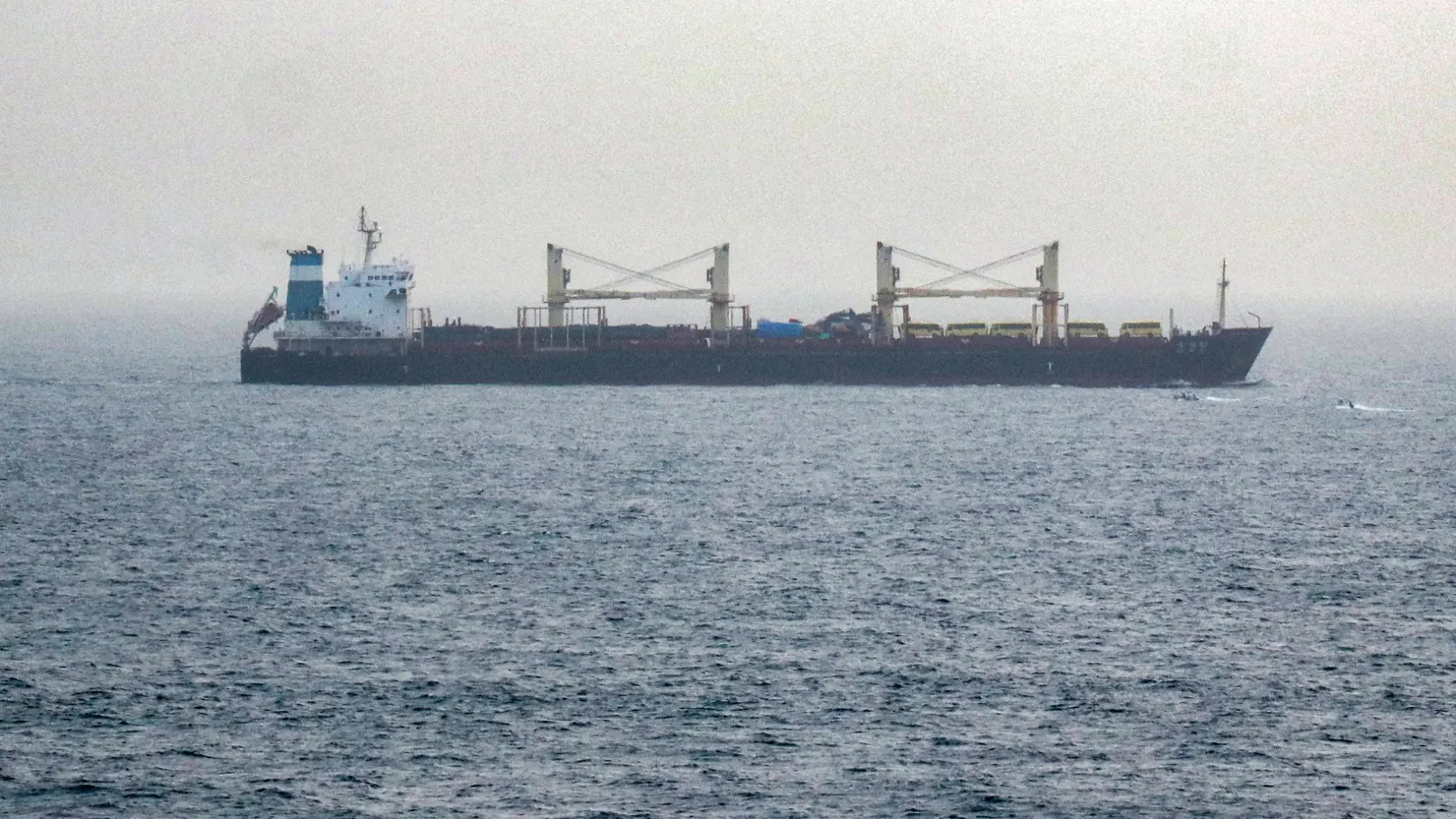
Maritime commerce depends heavily on predictable and secure navigation through international shipping routes. Increased insecurity can result in additional security requirements, operational delays, route adjustments and increased costs for commercial operators.
For naval and maritime-security organisations, the changing environment reinforces the importance of maritime domain awareness, information sharing, coordinated patrols and rapid response capabilities.
Lessons for Regional Maritime Security
The developments in the northwest Indian Ocean also provide a broader reminder of the importance of sustained regional maritime-security cooperation. Piracy and other maritime crimes can cross national boundaries and exploit gaps between jurisdictions.
Effective maritime security therefore requires more than individual national capabilities. Coordinated surveillance, intelligence sharing, legal cooperation, joint exercises and interoperable response capabilities can strengthen the ability of maritime forces to identify and respond to emerging threats.
These principles are particularly relevant to the Gulf of Guinea, where regional states continue to strengthen mechanisms for maritime domain awareness and collective responses to piracy, armed robbery at sea, trafficking, illegal fishing and other maritime crimes.
Relevance to the Gulf of Guinea
The evolving maritime-security environment demonstrates the importance of maintaining effective regional cooperation even when piracy incidents decline. Continued investment in maritime domain awareness, multinational coordination and operational readiness remains central to protecting shipping, offshore infrastructure and maritime economic activity across the Gulf of Guinea.
The resurgence of piracy in the waters around Somalia and Yemen highlights how quickly maritime threats can evolve in response to changing security conditions. For maritime-security organisations worldwide, the development reinforces the need for vigilance, preparedness and sustained international cooperation.