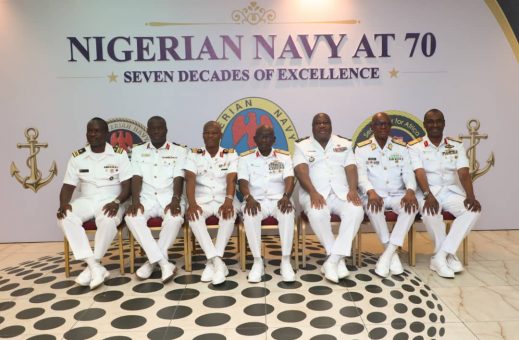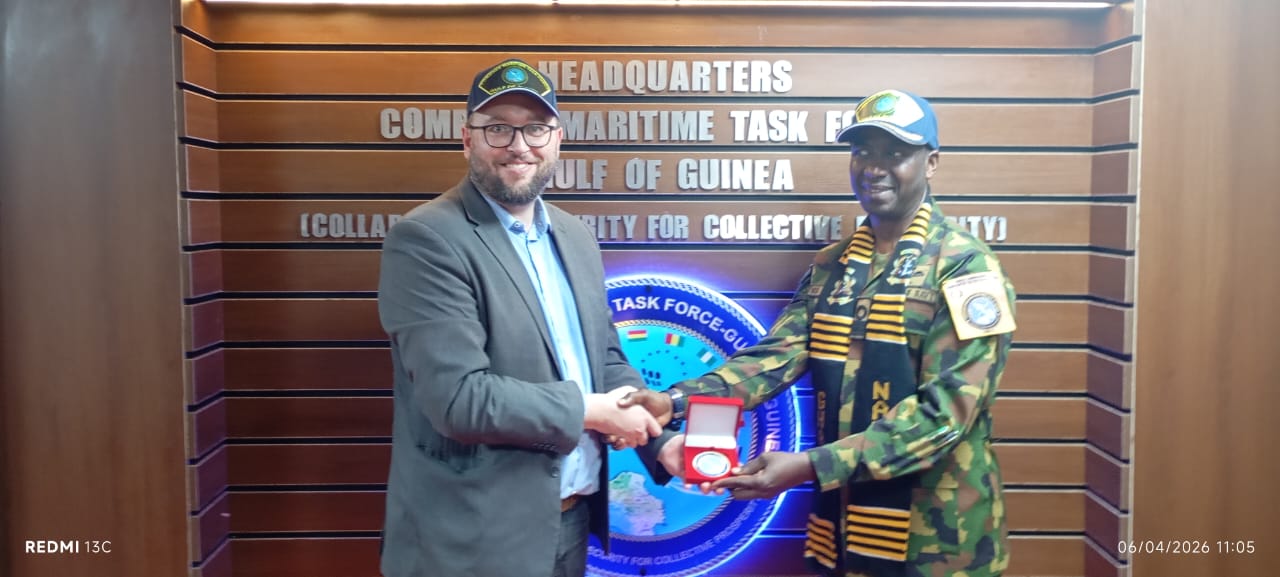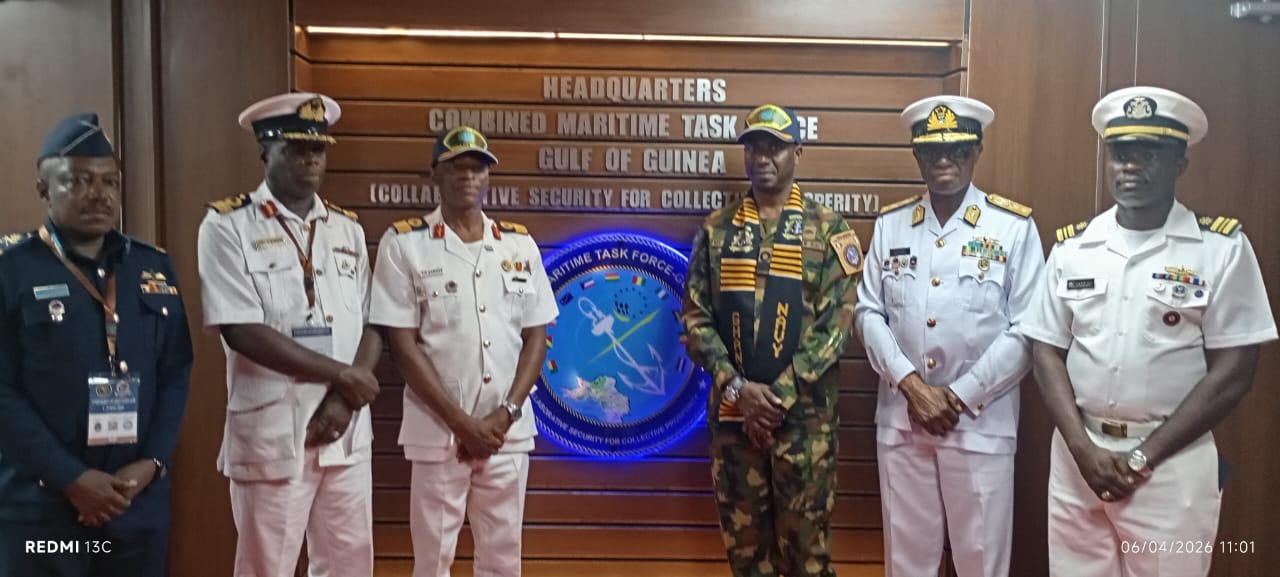
A major milestone in regional maritime security cooperation was achieved with the operationalisation of the African Union Combined Maritime Task Force (CMTF), an initiative designed to strengthen multinational efforts against piracy, crude oil theft, illegal fishing, trafficking and other transnational maritime crimes across the Gulf of Guinea.
The initiative, which is headquartered in Lagos, Nigeria, was endorsed by the African Union Peace and Security Council as a standing and ready-to-deploy maritime force. Its establishment reflects a growing recognition that maritime threats in the Gulf of Guinea require coordinated responses that extend beyond national boundaries.
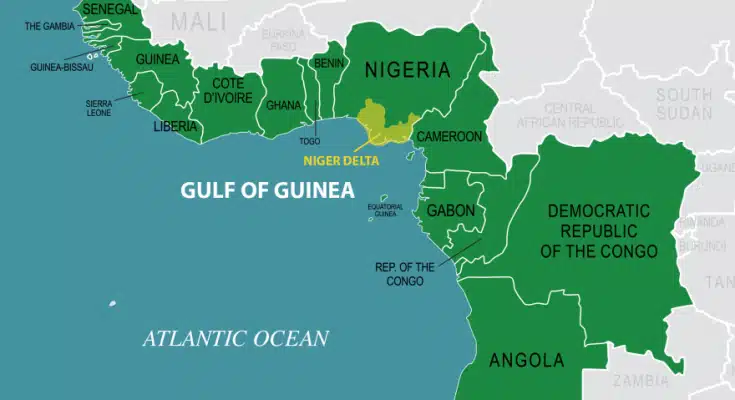
According to naval authorities, the CMTF is intended to improve interoperability among participating navies, facilitate intelligence sharing, strengthen maritime domain awareness and support coordinated operational responses across the region. Initial participating nations include Nigeria, Ghana, Liberia, Sierra Leone and The Gambia, with expectations that additional Gulf of Guinea states will join the framework over time.
The Gulf of Guinea remains one of the world's most strategically significant maritime regions. The area supports critical shipping routes, offshore energy infrastructure and maritime trade that are essential to the economies of both African states and international partners. Although incidents of piracy have declined in recent years, challenges such as illegal fishing, smuggling, trafficking and maritime resource theft continue to pose risks to regional stability and economic growth.
Security experts have consistently argued that sustainable maritime security can only be achieved through stronger regional ownership, improved legal frameworks, enhanced surveillance capabilities and sustained cooperation among Gulf of Guinea nations. The establishment of the Combined Maritime Task Force is therefore viewed as a practical mechanism for translating existing maritime security commitments into coordinated action.
Beyond operational deployments, the task force is expected to support information sharing, joint training activities and coordinated maritime exercises that will enhance readiness among participating forces. These efforts are aimed at ensuring freedom of navigation, protecting offshore assets and creating a safer maritime environment for commercial shipping and coastal communities.
The launch of the CMTF also coincides with broader efforts by regional governments and maritime stakeholders to strengthen maritime governance, improve surveillance coverage and promote collective responsibility for the security of African waters. The initiative aligns with continental objectives for enhanced maritime cooperation and sustainable blue economy development.
As the task force enters its operational phase, stakeholders across the region will be closely monitoring its effectiveness in addressing maritime threats and enhancing security throughout the Gulf of Guinea. Its success will depend not only on naval capabilities but also on the continued commitment of member states to cooperation, information sharing and collective action.